Marine towing equipment includes the specialized tools, machinery, and hardware used to pull, push, escort, or maneuver vessels and floating structures across various marine environments. These systems are essential for tugboats, workboats, barges, and support vessels operating in harbors, offshore zones, and along coastlines such as the east coast, where marine traffic and weather conditions require reliable towing solutions.
Whether transporting barges, assisting disabled ships, or conducting offshore operations, marine towing relies on durable towing lines, winches, towing hooks, and wire rope assemblies engineered for high strength and long-term service.
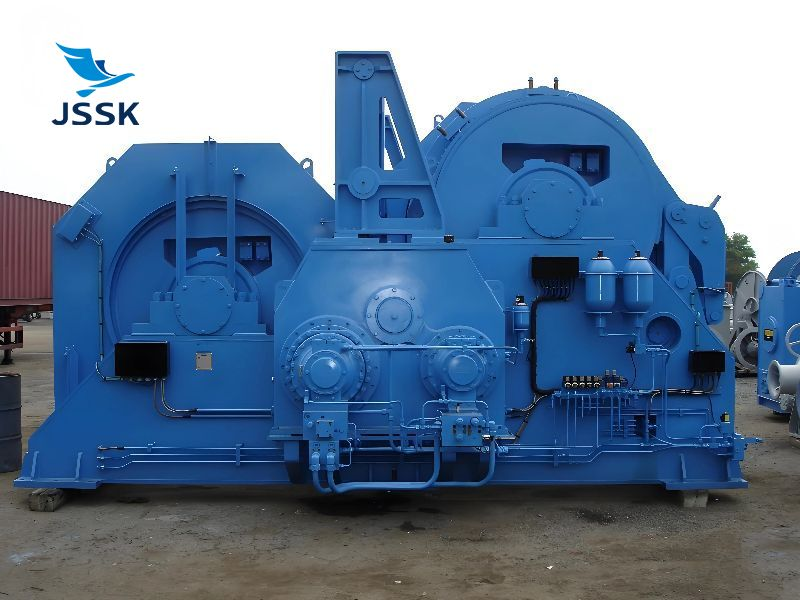
Marine towing equipment refers to the mechanical devices and rigging components that enable one vessel (usually a tugboat) to tow, pull, or guide another vessel or floating structure. The equipment is designed to withstand extreme loads, shock forces, and constant friction while ensuring safety and directional control.
This equipment is widely used in:
Marine towing systems consist of several critical components, each serving a specific purpose.
A heavy-duty winch that stores and controls the towing line.
The primary towing medium used between the tug and the tow.
A quick-release hook that allows the crew to drop the tow line instantly during emergencies.
These guide the towing line and prevent chafing.
A heavy steel post used to secure the tow line when winches are not required.
Used for connecting barges, pontoons, and offshore structures.
Towing needs vary depending on the marine environment and mission.
Assisting ships during docking, undocking, and maneuvering.
Transporting barges, equipment, or construction materials along coastlines such as the east coast.
Handling oil platforms, floating structures, and offshore supply vessels.
Towing disabled vessels during breakdowns or storms.
Pushing or pulling barges and cargo units across rivers and canals.
To ensure safe and efficient operations, marine towing systems must offer:
Especially in demanding regions like the east coast, equipment must endure harsh weather, tidal forces, and long-distance towing stresses.
Safety is critical due to the massive forces involved.
Proper maintenance prolongs equipment life and ensures towing safety.
Q1: Why is wire rope used for towing?
A: Wire rope provides high tensile strength, durability, and resistance to abrasion, making it ideal for heavy-duty towing operations.
Q2: What is the role of a towing winch?
A: The towing winch controls the towing line, adjusts tension, and safely pays out or retrieves rope during towing operations.
Q3: Are synthetic ropes suitable for towing?
A: Yes. Synthetic ropes like HMPE or nylon are often used as tail lines to reduce shock loads, but wire rope remains the primary towing medium for heavy loads.
Q4: What towing equipment is essential for east coast tug operations?
A: Tugboats operating along the east coast typically require:
Q5: How often should towing gear be inspected?
A: Before each voyage, after heavy towing, and during scheduled maintenance intervals. Offshore operations may require more frequent inspections.
Q6: What determines the strength of a towing system?
A: Rope diameter, material strength, winch capacity, load limits, and environmental factors such as tow speed and sea conditions.
Marine towing equipment plays a crucial role in maritime operations, from port assistance to offshore towing and long-distance transport along regions like the east coast. With durable wire rope, reliable towing winches, and robust safety systems, vessels can handle challenging towing tasks with efficiency and control.
Proper selection, operation, and maintenance ensure safe and successful towing—regardless of sea state, load size, or mission requirements.
