A marine winch is a mechanical device used on ships, boats, and offshore platforms to handle heavy loads such as anchors, mooring lines, towing cables, and fishing nets. Built to withstand harsh marine conditions, a high quality marine winch provides reliable power, precise control, and long-term durability during demanding maritime operations.
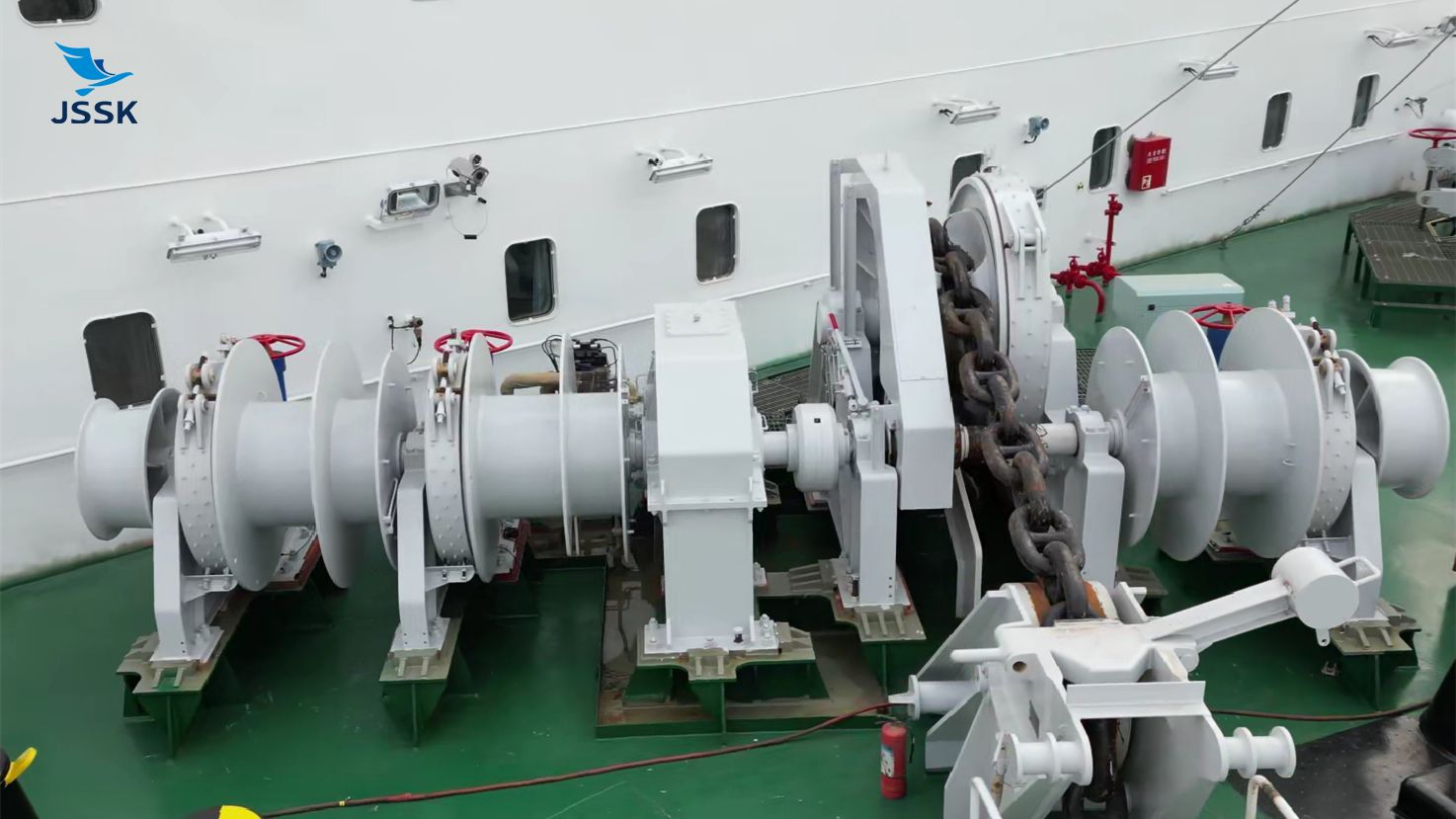
A marine winch is a rotating drum powered by an electric, hydraulic, or pneumatic system, used to wind or unwind ropes, wires, or cables. It is essential for controlling tension, pulling loads, and securing vessels during anchoring, mooring, or towing.
Unlike land-based winches, marine winches are engineered for high quality performance in corrosive saltwater environments, ensuring consistent operation under extreme weather and motion.
Marine winches are classified based on their purpose and power source. The main types include:
Used to deploy and retrieve the vessel’s anchor. It operates with an anchor chain or wire rope, ensuring safe anchoring even in deep waters.
Designed for securing vessels at port or offshore facilities. It controls mooring lines to hold the ship steady against wind and current.
Found on tugboats and workboats, this type of winch pulls or tows other vessels and equipment. It features heavy-duty drums and brakes for high load capacity.
Installed on fishing vessels to haul nets, lines, or traps. It requires smooth operation, adjustable speed, and resistance to corrosion.
A vertical drum winch used for line handling and light-duty lifting tasks, often installed on deck for auxiliary use.
A high quality marine winch ensures dependable and safe performance. Key features include:
Operating a marine winch requires trained personnel and adherence to safety standards. Regular maintenance ensures reliability and extends service life.
Maintenance tips:
Q1: What is the difference between a marine winch and a windlass?
A: A windlass is mainly used for anchoring, while a winch serves broader functions including mooring, towing, and lifting.
Q2: What determines the capacity of a marine winch?
A: The winch capacity depends on vessel size, load requirements, and application type. It is measured by pulling force (kN or tons).
Q3: Which is better — electric or hydraulic winch?
A: Electric winches are easier to install and control, while hydraulic winches provide stronger, continuous pulling power for large vessels.
Q4: How can I ensure my marine winch is high quality?
A: Choose a winch made from corrosion-resistant materials, certified to marine standards (e.g., ABS, DNV), and backed by factory testing and documentation.
Q5: How often should marine winches be serviced?
A: Routine inspection should occur before and after every voyage, with full maintenance performed every 6–12 months depending on usage.
A marine winch is a vital component for safe and efficient ship operations, from anchoring and mooring to towing and fishing. Investing in a high quality winch ensures durability, performance, and reliability in harsh marine conditions.
Whether electric or hydraulic, choosing the right marine winch and maintaining it properly guarantees smoother operations and longer service life at sea.
